NEW
CAPITALIST INSTITUTIONS
NEW
CAPITALIST INSTITUTIONS
The world urgently needs better institutions. It's time to build them.
About Me
About Me
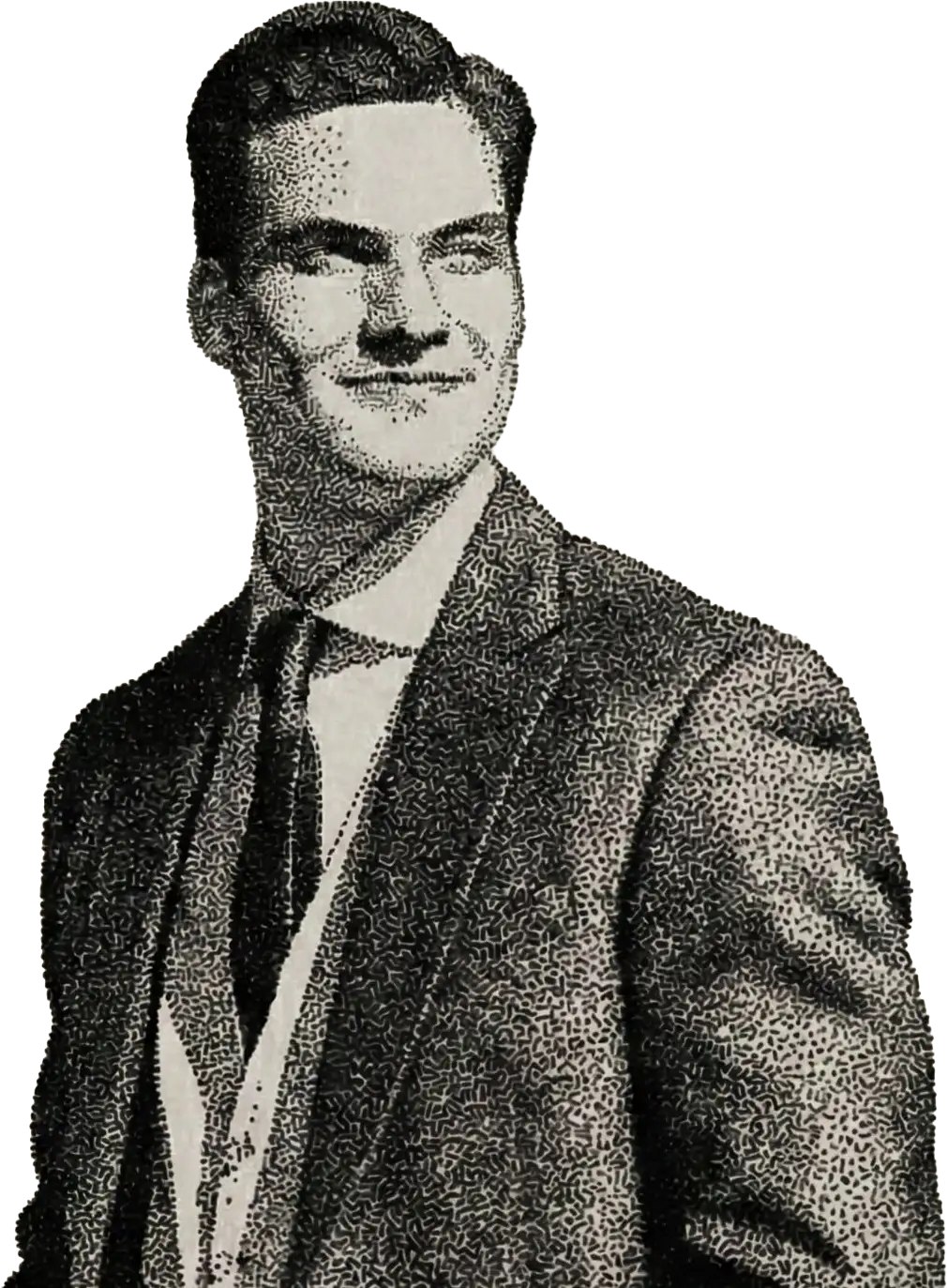
I'm an economist, entrepreneur and author, and a principled capitalist. Skeptical of mass democracy and other noncapitalist institutions, I'm driven by the conviction that for-profit, private institutions should play a bigger role in key sectors, including governance. Besides writing, I consult and build companies to make this vision a reality.
I'm an economist, entrepreneur and author, and a principled capitalist. Skeptical of mass democracy and other noncapitalist institutions, I'm driven by the conviction that for-profit, private institutions should play a bigger role in key sectors, including governance. Besides writing, I consult and build companies to make this vision a reality.
ESSAYS
ESSAYS
Exploring the frontiers of governance, education, institutional design and more
The Proprietarian Manifesto
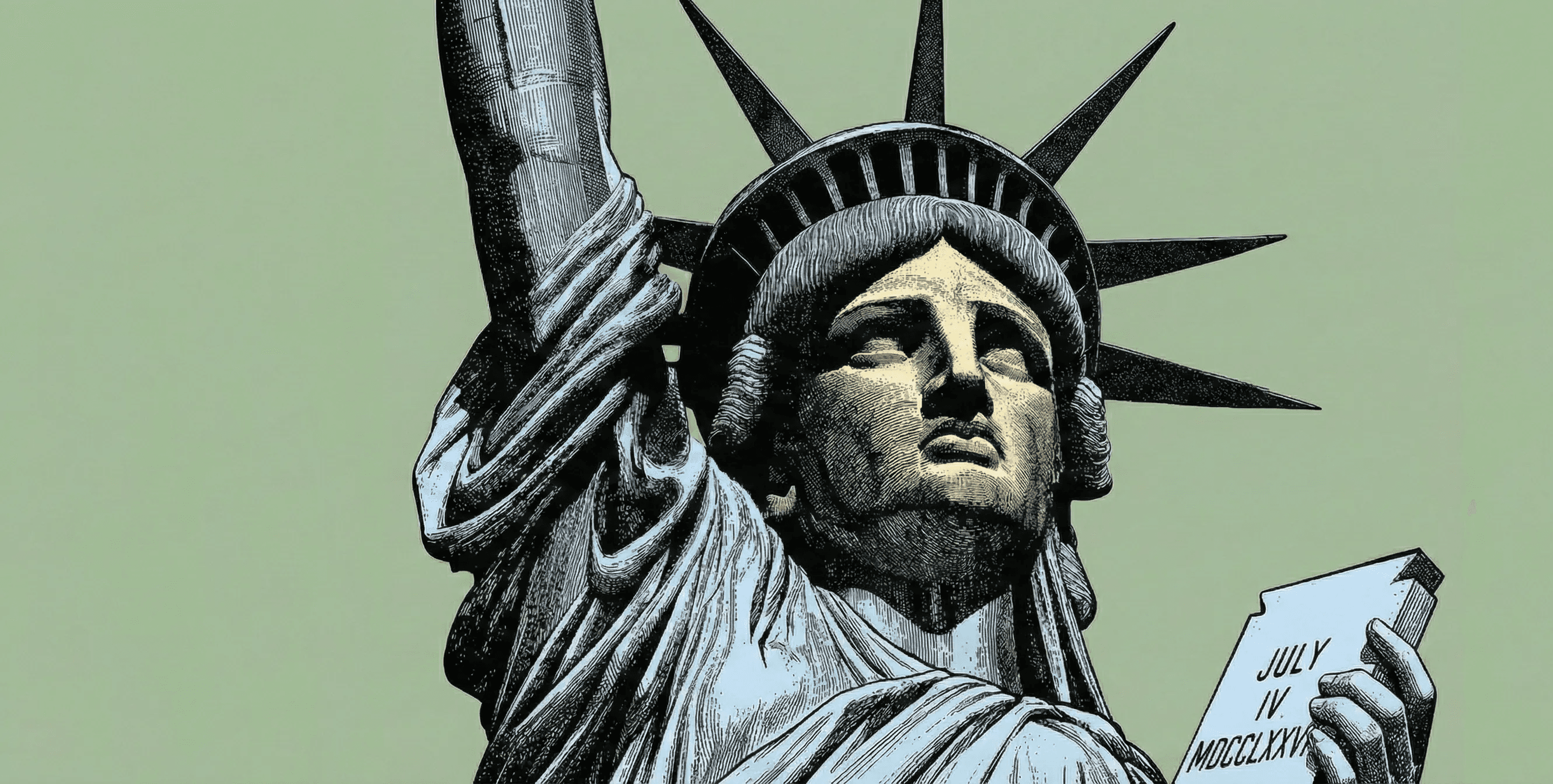
The free world is slowly heading towards the abyss. The problems we face today are great and growing rapidly. To name but a few: Widespread corruption and bloat, captured institutions, partisan media, a failing rule of law, monetary debasement, spiralling national debts, rampant overregulation and uncontrolled mass immigration with all its consequences. In this manifesto, I trace all these problems to their final, common cause: noncapitalist institutions that are detrimental to society. Our only way out is revolutionary capitalism: establishing full capitalism by electoral and non-electoral means. It recognises that mass democracy and other forms of noncapitalism are driving the free world towards disaster. Privatising our institutions is the only solution, including governments. This essay is meant to rally entrepreneurs to take action, and explains how they can do so.
The Proprietarian Manifesto
The free world is slowly heading towards the abyss. The problems we face today are great and growing rapidly. To name but a few: Widespread corruption and bloat, captured institutions, partisan media, a failing rule of law, monetary debasement, spiralling national debts, rampant overregulation and uncontrolled mass immigration with all its consequences. In this manifesto, I trace all these problems to their final, common cause: noncapitalist institutions that are detrimental to society. Our only way out is revolutionary capitalism: establishing full capitalism by electoral and non-electoral means. It recognises that mass democracy and other forms of noncapitalism are driving the free world towards disaster. Privatising our institutions is the only solution, including governments. This essay is meant to rally entrepreneurs to take action, and explains how they can do so.
The Proprietarian Manifesto
The free world is slowly heading towards the abyss. The problems we face today are great and growing rapidly. To name but a few: Widespread corruption and bloat, captured institutions, partisan media, a failing rule of law, monetary debasement, spiralling national debts, rampant overregulation and uncontrolled mass immigration with all its consequences. In this manifesto, I trace all these problems to their final, common cause: noncapitalist institutions that are detrimental to society. Our only way out is revolutionary capitalism: establishing full capitalism by electoral and non-electoral means. It recognises that mass democracy and other forms of noncapitalism are driving the free world towards disaster. Privatising our institutions is the only solution, including governments. This essay is meant to rally entrepreneurs to take action, and explains how they can do so.
The Return of Empire
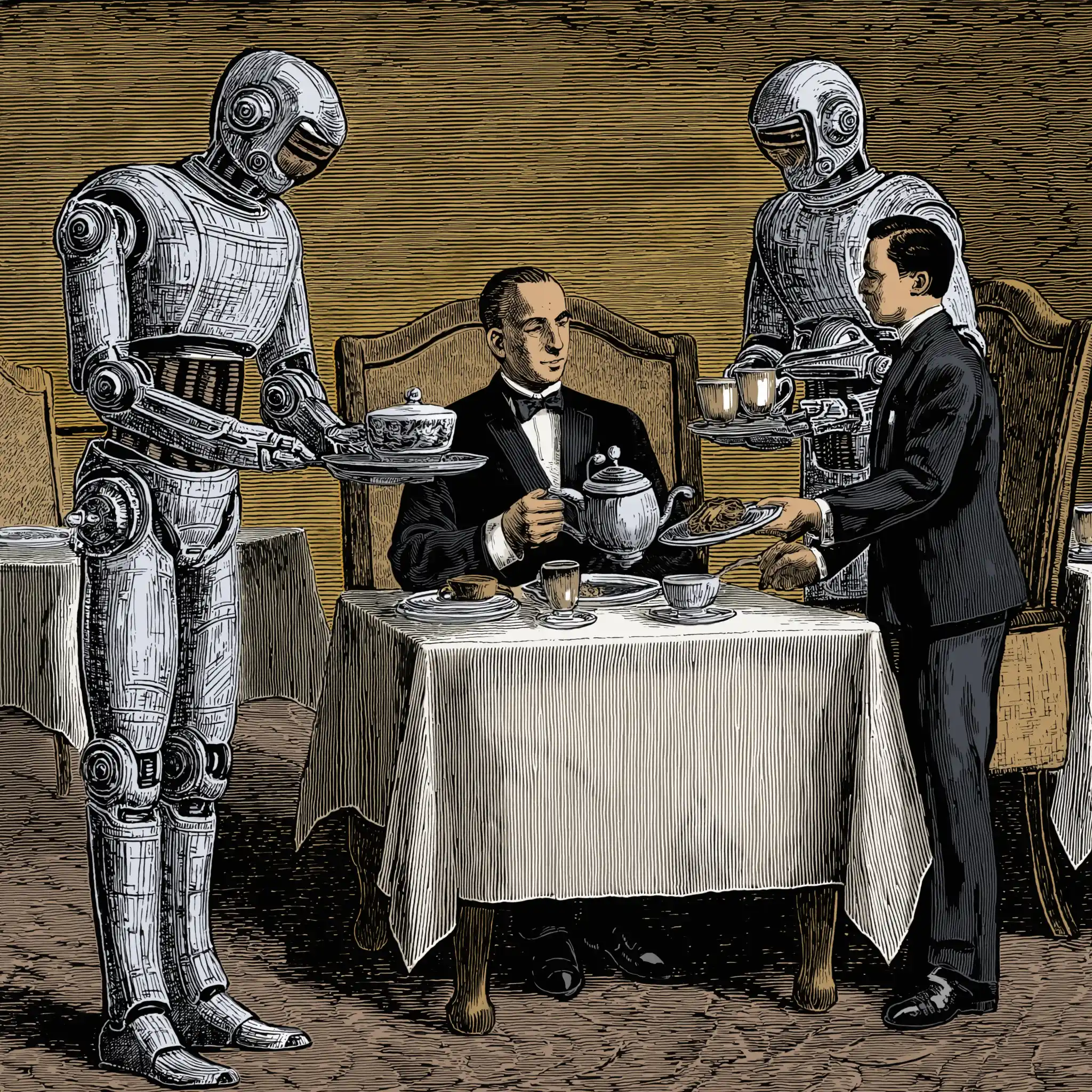
We stand at the beginning of the greatest revolution in military technology since the invention of gunpowder. AI promises to make human soldiers obsolete, replacing them with robotic systems. This development will bring about a revolution in political institutions by removing the constraints that led to democracy. Technology made democracy, and will unmake it. What is likely to emerge in its stead is a patchwork of proprietary jurisdictions. This essay ends by proposing safeguards that might keep beneficial parts of democratic governance even as its technological foundations crumble.
The Return of Empire
We stand at the beginning of the greatest revolution in military technology since the invention of gunpowder. AI promises to make human soldiers obsolete, replacing them with robotic systems. This development will bring about a revolution in political institutions by removing the constraints that led to democracy. Technology made democracy, and will unmake it. What is likely to emerge in its stead is a patchwork of proprietary jurisdictions. This essay ends by proposing safeguards that might keep beneficial parts of democratic governance even as its technological foundations crumble.
The Return of Empire
We stand at the beginning of the greatest revolution in military technology since the invention of gunpowder. AI promises to make human soldiers obsolete, replacing them with robotic systems. This development will bring about a revolution in political institutions by removing the constraints that led to democracy. Technology made democracy, and will unmake it. What is likely to emerge in its stead is a patchwork of proprietary jurisdictions. This essay ends by proposing safeguards that might keep beneficial parts of democratic governance even as its technological foundations crumble.
Evolutionary Architecture
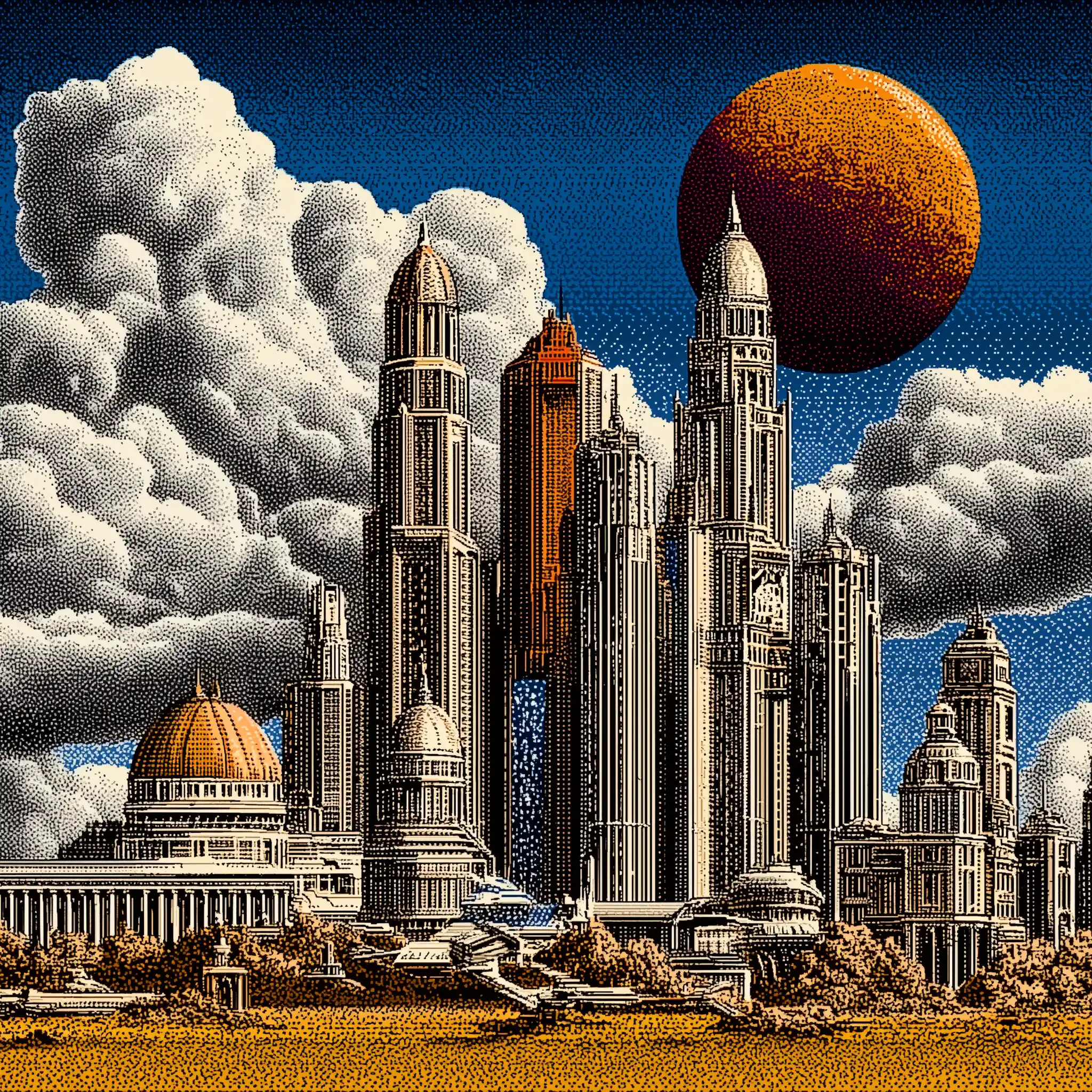
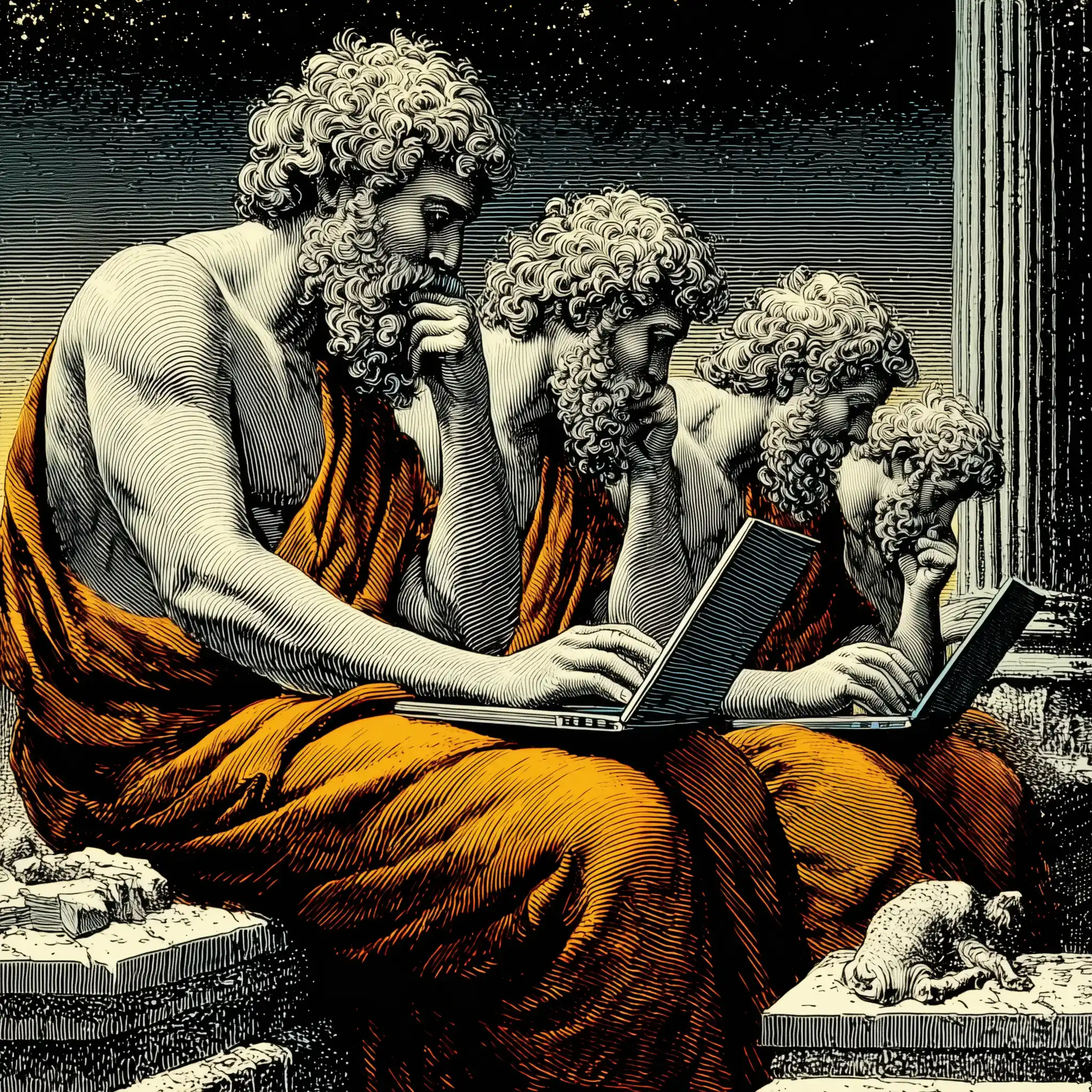
Surveys, history and neuropsychological research shows clear patterns in what kind of architecture humans prefer. In this essay I explain what we can learn from this, including what's necessary for buildings to beautiful, why this implies a return to traditional architecture and how people can profit from building beautiful buildings.
Evolutionary Architecture
Surveys, history and neuropsychological research shows clear patterns in what kind of architecture humans prefer. In this essay I explain what we can learn from this, including what's necessary for buildings to beautiful, why this implies a return to traditional architecture and how people can profit from building beautiful buildings.
Evolutionary Architecture
Surveys, history and neuropsychological research shows clear patterns in what kind of architecture humans prefer. In this essay I explain what we can learn from this, including what's necessary for buildings to beautiful, why this implies a return to traditional architecture and how people can profit from building beautiful buildings.
BOOK
BOOK
A comprehensive theory of proprietary governance and a new foundation for (Austrian) economics
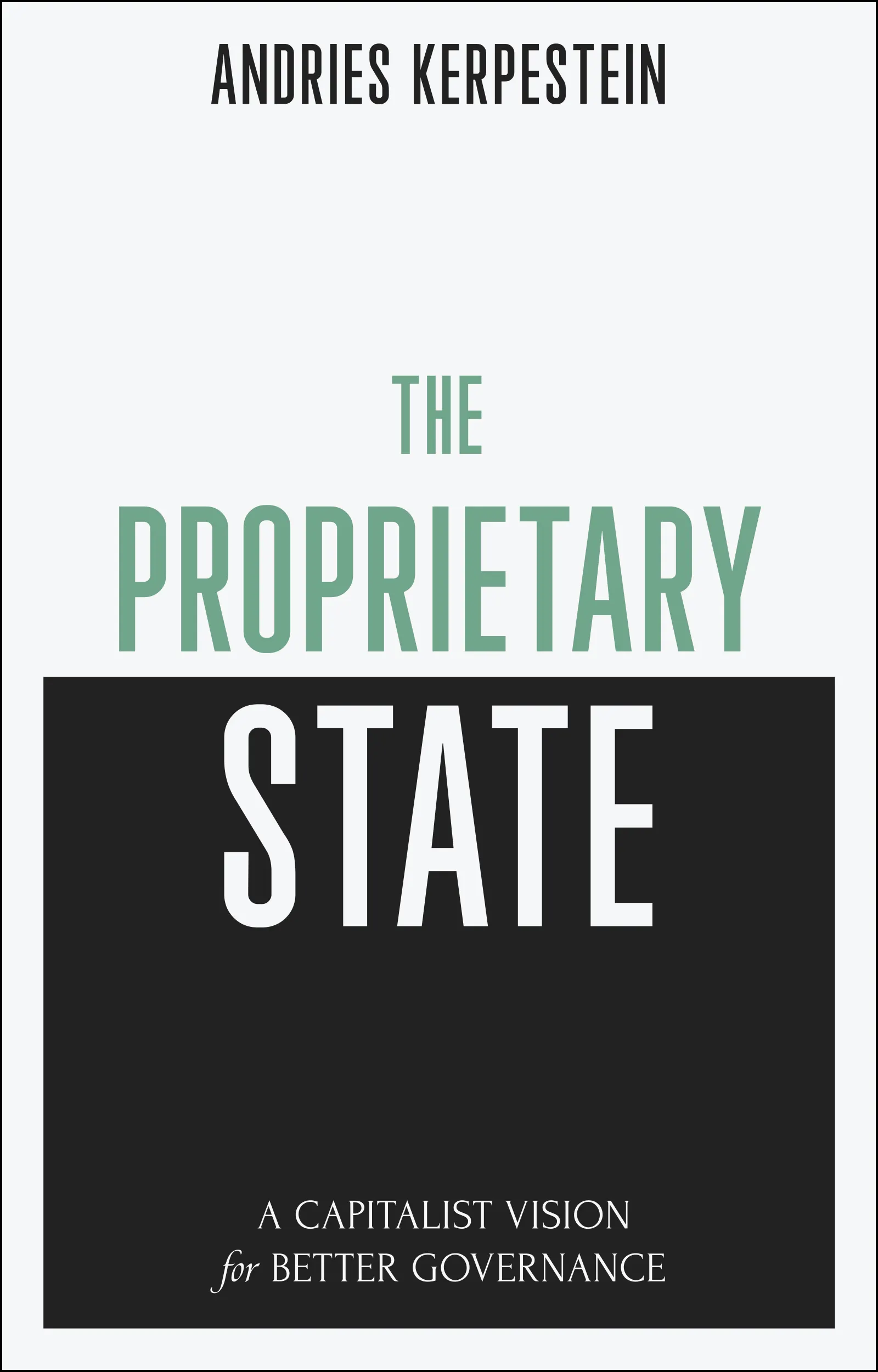
The Proprietary State
A Capitalist Vision for Better Governance
The Proprietary State
A Capitalist Vision for Better Governance
The Proprietary State
A Capitalist Vision for Better Governance
What if a government takes the form of a for-profit corporation? In this book, I explain the nature and possibility of the proprietary government—A government with shareholders instead of voters.
This book contains a comprehensive theory of proprietary governance as well as a new foundation for economic theory, and new perspectives on theories including public choice and the Coase Theorem. Challenging established theories and ideas, it introduces a groundbreaking theory relating to contract, government, entrepreneurship, consumer sovereignty and more. It then delves into the advantages and disadvantages of 'privatising' a government, and explain how to maximise the former while minimising the latter.
"Kerpestein's book is one of the most interesting works in economics, providing a potential blueprint for how territorial governance may be provided in the not too distant future."
— Erick Brimen, founder & CEO of Próspera
"An important contribution to the discussion of new systems of governance."
— Titus Gebel, founder & CEO of Tipolis
Buy on Amazon or download for free
Work
WORK
Making the proprietarian vision a reality,
starting in higher education
Cloud College
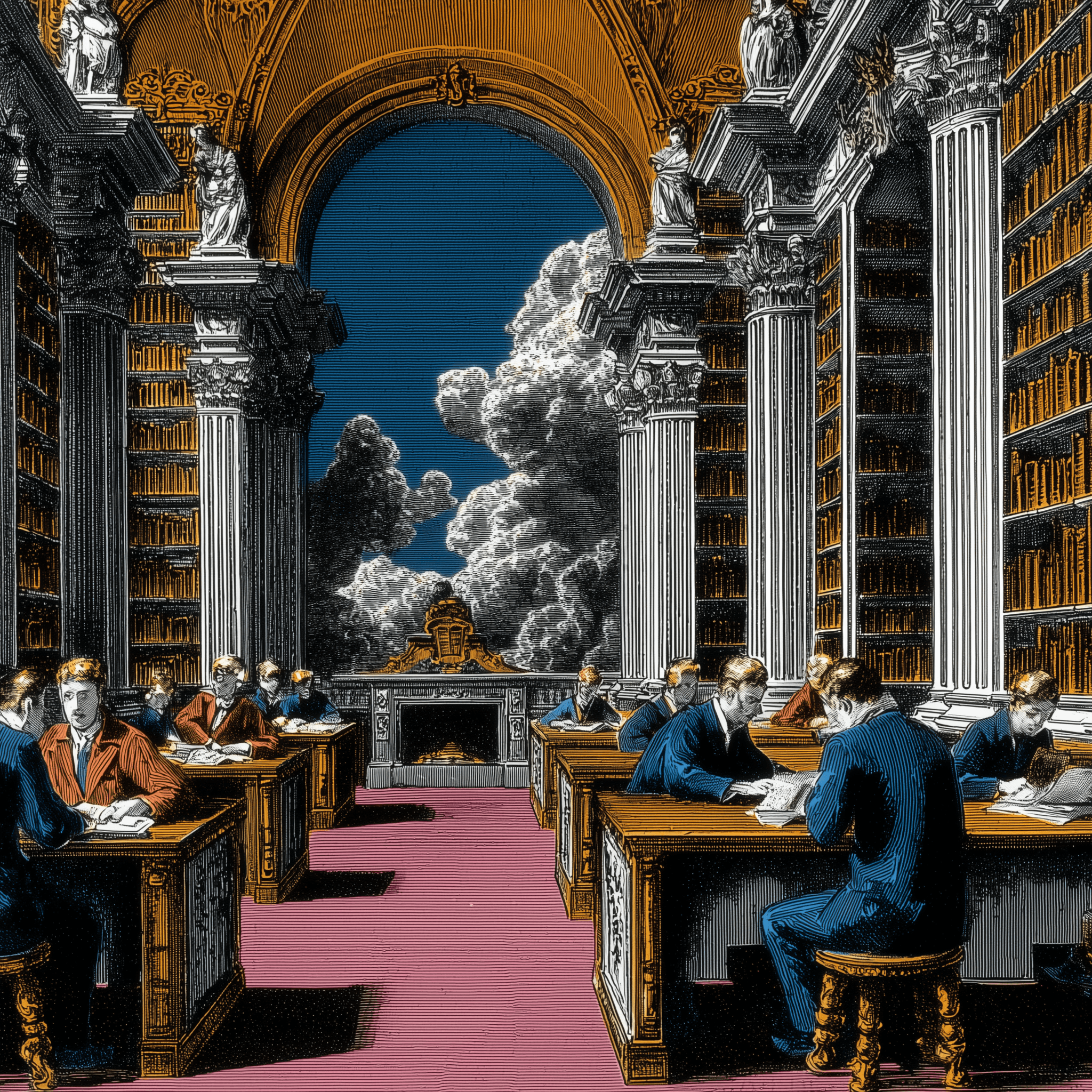
My life's work is making the proprietarian vision a reality, starting in higher education. Cloud College introduces a new model to reform higher education, leveling the playing field between for-profit and nonprofit institutions. This model will save young people thousands of dollars per year in tuition fees and living expenses, while providing them a better educational and extracurricular experience. The future of education must be for-profit, personalised, and free from the rigid, one-size-fits-all programs of the past.
Cloud College
My life's work is making the proprietarian vision a reality, starting in higher education. Cloud College introduces a new model to reform higher education, leveling the playing field between for-profit and nonprofit institutions. This model will save young people thousands of dollars per year in tuition fees and living expenses, while providing them a better educational and extracurricular experience. The future of education must be for-profit, personalised, and free from the rigid, one-size-fits-all programs of the past.
Cloud College
My life's work is making the proprietarian vision a reality, starting in higher education. Cloud College introduces a new model to reform higher education, leveling the playing field between for-profit and nonprofit institutions. This model will save young people thousands of dollars per year in tuition fees and living expenses, while providing them a better educational and extracurricular experience. The future of education must be for-profit, personalised, and free from the rigid, one-size-fits-all programs of the past.
Get in Touch
For discussing ideas, collaborations or anything else. Don't hesitate to reach out.
